
Roots of Dysregulation
How relational patterns, power dynamics, and early experiences shape the nervous system.
Why Some People Live in Survival Mode
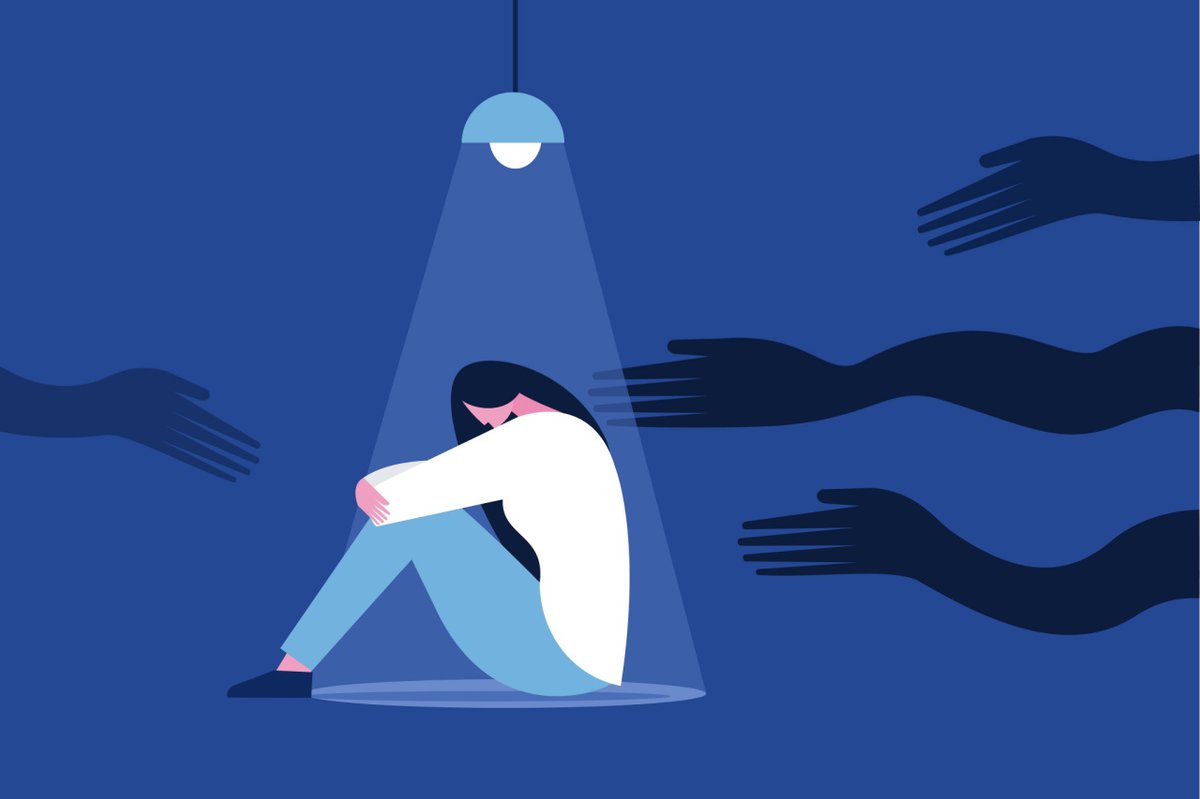
Many people move through life feeling constantly alert, overwhelmed, anxious, or
emotionally shut down.
This is often described as living in survival mode.
When the nervous system experiences prolonged stress or unpredictability, it adapts in order
to cope.
But survival mode rarely appears without a reason.
Our nervous systems are shaped by our relationships and environments. Sometimes the causes are obvious.
Other times they are subtle and deeply normalised within families or relationships.
One of the most significant yet often misunderstood causes of long-term dysregulation is
relational power and control.
Who We Are
We’re a life coaching practice rooted in the belief that real change begins with clarity, self-awareness, and support. Our mission is to help individuals move beyond doubt, overwhelm, and uncertainty — and into lives that feel purposeful, confident, and aligned.
Whether you’re navigating a major life transition, seeking deeper fulfillment, or simply ready to reconnect with yourself, our coaching process is designed to meet you where you are. Through honest conversations, proven tools, and compassionate guidance, we help you uncover your goals, shift your mindset, and take meaningful action.
We’re not here to tell you who to be — we’re here to walk beside you as you become the version of yourself you’ve always known was possible.
Understanding Abuse
Abuse Is Not Always Visible
When people hear the words domestic abuse, they often think of physical violence.
But physical harm is only one form of abuse.
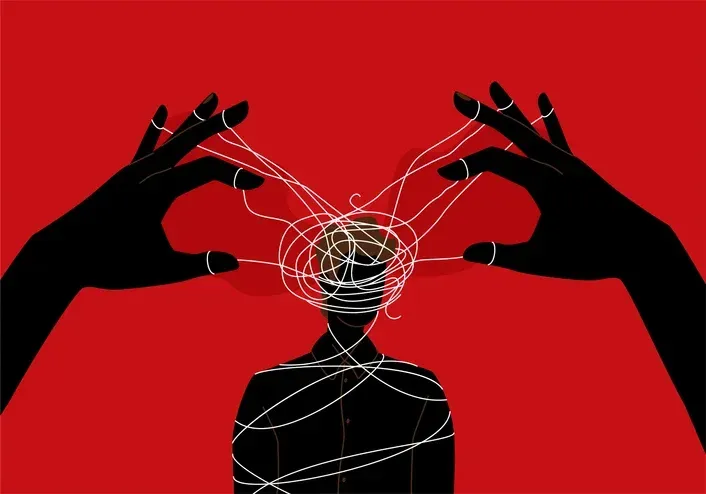
Domestic abuse can be emotional, psychological, financial, sexual, or coercive, and many forms are so subtle that people live within them for years before recognising what is happening.
Abuse is about power and control.
It is the gradual erosion of a person’s sense of safety, autonomy, voice, and self-worth.
And it does not only occur in romantic relationships.
Domestic abuse can occur within:
• Romantic or intimate partnerships
• Parent–child relationships (Click Here for Ebook)
• Family relationships
• Caregiver relationships
• Adult children and elderly parents
• Sibling dynamics
Sometimes the abuse is obvious.
But often it is quiet, confusing, and disguised as love, concern, or authority.
There Are Many Forms of Domestic Abuse
One of the most recognised ways of understanding domestic abuse is through the Power
and the Control Wheel, which illustrates the different tactics used to maintain control over
another person.
Download the Power & Control Wheel

The Hidden Impact on the Nervous System
Domestic abuse does not only affect emotions.
It deeply affects the nervous system.
When someone lives in an environment of unpredictability, criticism, or fear, the body adapts in order to survive.
The nervous system becomes conditioned to states such as:
• Hyper-vigilance (always being on alert)
• Anxiety and chronic stress
• Emotional shutdown or numbness
• Difficulty trusting others
• People-pleasing or over-responsibility
Over time, the body learns that stress is normal.
This state of dysregulation can influence decision-making, relationships, parenting, and even physical health.
How Abuse Impacts the Next Generation
Children do not simply observe their environment.
They absorb it.
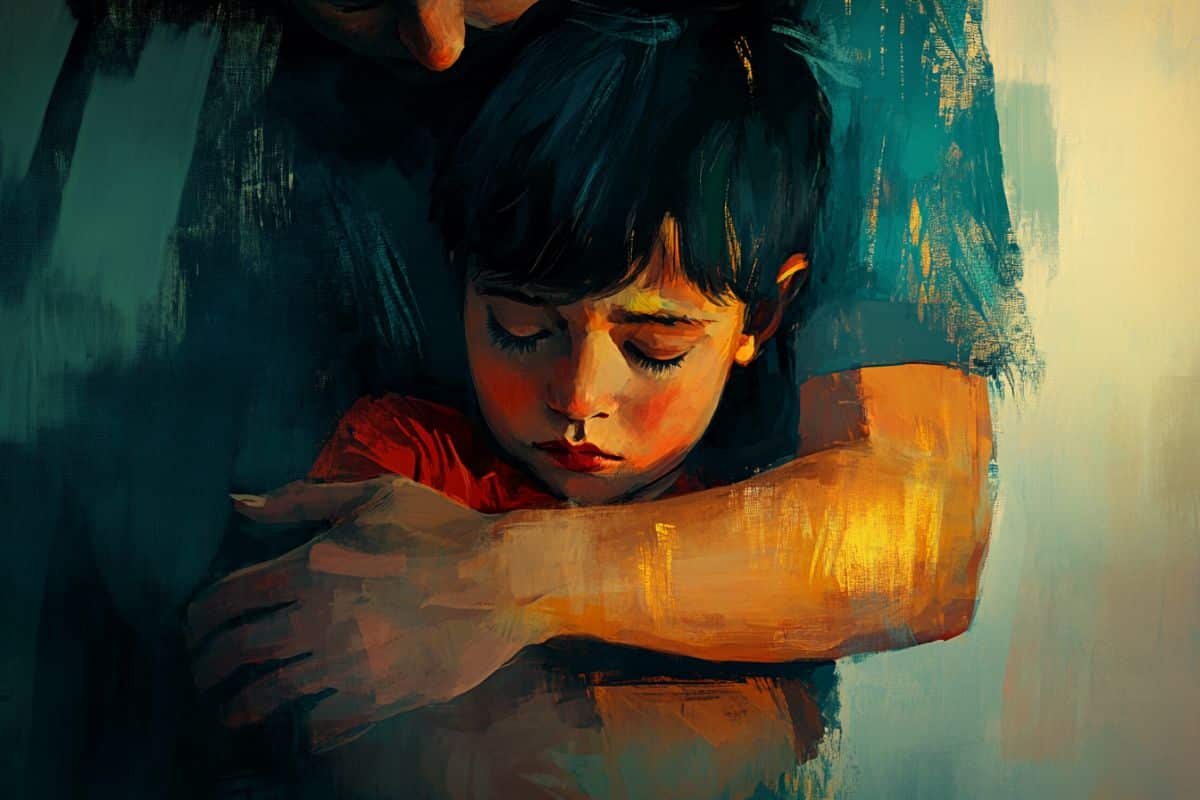
A child growing up in a dysregulated household learns patterns about safety, relationships, and identity that shape their future behaviour.
Without awareness or healing, children exposed to abusive dynamics may later find themselves:
• Repeating similar relationship patterns
• Becoming overly accommodating or self-sacrificing
• Struggling with emotional regulation
• Feeling unsafe expressing needs or boundaries
Some may grow into adults who unconsciously become perpetrators of control, while others may become repeated victims of it.
This is how generational cycles of abuse continue.
Why This Work Matters
Leaving an abusive relationship does not automatically end its effects.
Without nervous system regulation, survival patterns continue—showing up as:
• Anger or irritability
• Emotional disconnection
• Hyper-control or shutdown
• Constant exhaustion and overwhelm
This is not a personal failing.
It is the nervous system trying to protect.
However, when left unaddressed, these patterns can become the emotional environment a child grows up in—teaching them that survival mode is normal.
This is how generational cycles of abuse, victimhood, and emotional dysregulation continue.
Let's Get You On The Right Path
LINKS
SUPPORT
Legal
FOLLOW US


© Copyright 2026. Kalpana.Raja. All Rights Reserved.